Cleopatra's Needle: the trek behind the city
There is a 41,000-hectare rainforest rising to 1,593 m directly behind Puerto Princesa, and almost no visitor knows it is there. The summit trek is 3 to 4 days and one of the hardest hikes in the country: river crossings, unmarked jungle trail, and mandatory local and Batak guides. You register at the Batak Cultural Community Center in Sitio Tagnaya, Brgy. Tanabag, 1 to 2 hours from the city. Budget roughly ₱5,000–10,000+ a head all in, and treat that as unverified. It was declared a Critical Habitat in 2016 largely through the Centre for Sustainability PH, in a model where trekking fees pay forest wardens.
A forest that starts at the last tricycle stop
Puerto Princesa is the least densely populated city in the Philippines across 2,381 km² — the second largest city by land area in the country. Most of that area is not city at all.
Cleopatra's Needle is the proof. A 41,000-hectare forest massif rising to 1,593 m, immediately behind the built-up strip, holding the kind of intact lowland-to-montane rainforest that Palawan is famous for having and that almost nobody visits. It was declared a Critical Habitat in 2016, an effort driven largely by the Centre for Sustainability PH.
The funding model is the part worth understanding before you book. Trekking fees pay forest wardens — the same logic that took the Philippine cockatoo on Rasa Island from 23–25 birds to around 400 by hiring former poachers. When you pay to walk here you are paying for patrols, and that is a materially different transaction from an entrance fee at a gate.
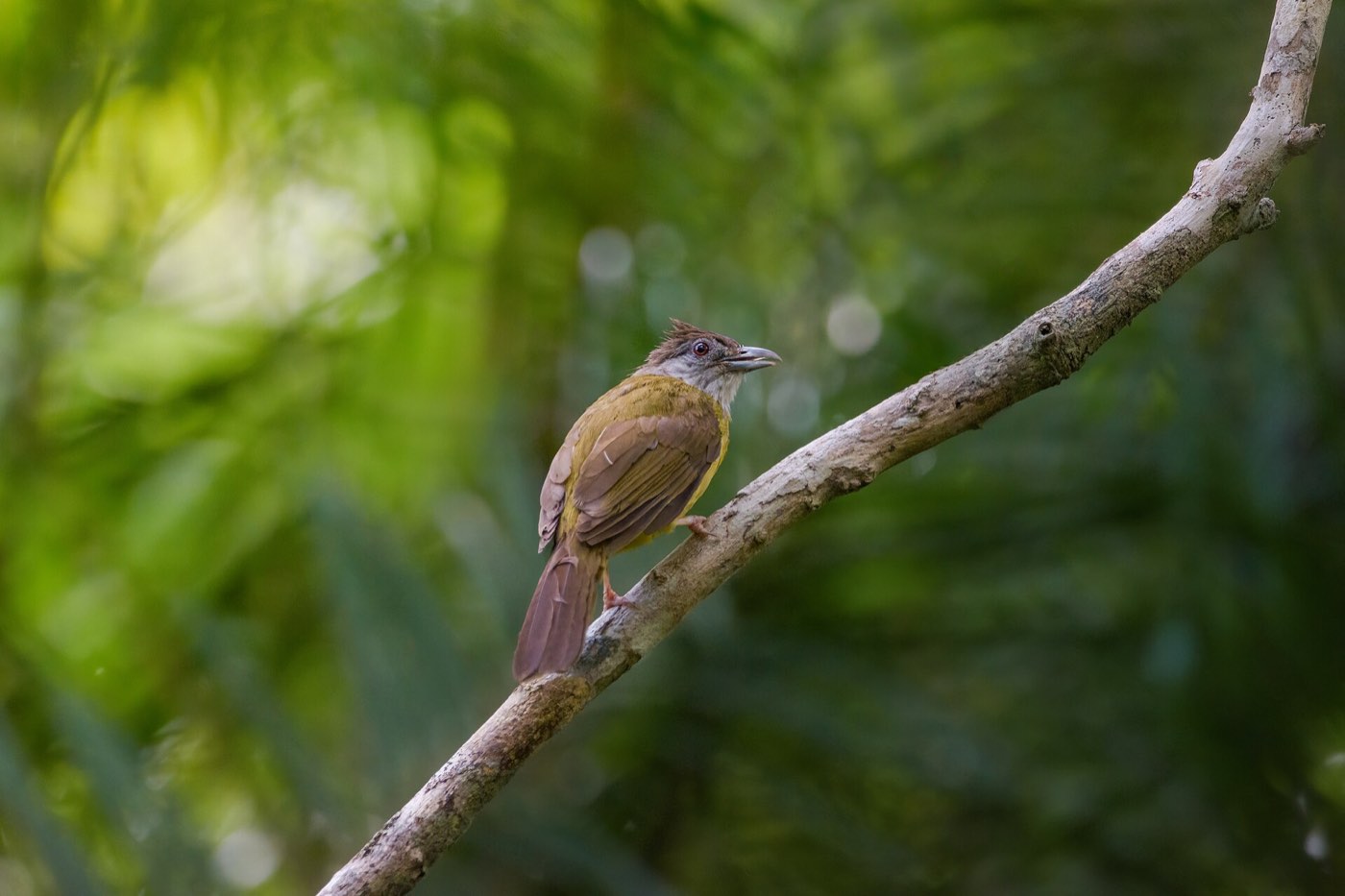
It is also the city's honest answer to the last-frontier framing it markets itself with. The pangolin, the hornbill and the endemic wildlife that appear on posters around town live up there, not in the enclosures on the city tour circuit. Palawan's pangolin is the world's most trafficked mammal family's local representative, with an estimated 26,800 illegally hunted a year across the province — never buy wildlife products, and report anyone who offers.
This is a homeland, not a trailhead
Cleopatra's Needle is the heartland of the Batak people, and any Batak tourism must route through their own community structures. That is the starting condition, not a footnote.
The Batak number fewer than 500 people, in the foothills north-east of the city around Tanabag, Concepcion and Langogan. They are the smallest and most vulnerable indigenous group in this part of Palawan, forest foragers of honey, almaciga resin and rattan, and they are under sustained assimilation pressure. A community of that size does not absorb casual tourism, and it is not an attraction with opening hours.
What that means in practice is specific and easy. Register through the Batak Cultural Community Center at Sitio Tagnaya, Brgy. Tanabag. Take the guides the community assigns; they are mandatory and they are also the only reason the route is navigable. Ask before photographing anyone. Buy at community-run counters rather than from intermediaries. Do not fly a drone over settlements. None of this is decorative — it is the difference between visiting a living culture with self-determination and treating people as scenery.
There is a roadside Batak Visitor Center near Concepcion on the North Road, long a stop on Underground River day-trip routes, selling honey, baskets and bracelets with a percentage going to the community. Its 2026 operational status is unverified — operators still list it, so confirm on the day rather than promising it to anyone. The better framing for it is a registration point and a craft counter, not a place to go and meet a tribe.
Day hikes on the lower Batak trails around Tanabag are possible with guides, and are the realistic option for most people who want to see this forest. Ask locally. There is no online booking and no published rate, and that is normal here rather than a failure of the internet.
Four ways into the forest, honestly rated
Ranked by what most visitors can actually do. The summit is at the bottom because almost nobody reading this should be attempting it.
| Option | Length | Cost | What it involves | Verdict |
|---|---|---|---|---|
| Lower Batak trails, Tanabag day hikes with guides | A day | Ask locally no published rate | The realistic option. Rainforest, river, and a guide from the community. Arrange in person at Tanabag, 1–2 hours from the city. | WORTH IT |
| Irawan watershed the city's water source | Half a day | Low | The same forest feel without the commitment. First-hand 2024–2026 reports on the eco-park itself are thin — treat facilities as likely dormant. | DEPENDS |
| Viator Batak Tribe Village trek the only packaged product | $203 ~₱11,800 | Day trip | 5.0★ from just 4 reviews. Named here because it is the only bookable thing of its kind; four reviews is not a track record. | DEPENDS |
| Summit trek to 1,593 m mandatory local and Batak guides | 3–4 days | ₱5,000–10,000+ unverified | River crossings, unmarked jungle trail, one of the hardest hikes in the Philippines. Registration at Tanabag. | WORTH IT |
| Going without a guide | — | — | Not an option. The trail is unmarked, the guides are mandatory, and the fees are what pay the forest wardens. | SKIP |
Trek costs are a rough all-in range from outfitter reports and are unverified — they move with group size, guide numbers and how many days you take. Get a written quote before you commit.
Should you be attempting this?
How to visit without doing harm
Register at the Batak Cultural Community Center, Sitio Tagnaya, Brgy. Tanabag. Take the guides they assign. Do not arrange access through a third party who cannot tell you what share reaches the community — with fewer than 500 people, who you pay matters more here than almost anywhere.
Every time, and accept no as an answer. The same rule applies to houses, ceremonies and children. If you would not do it on someone's street at home, do not do it because you paid a fee to be here.
Written drone rules in Palawan are thin and unverified, which is not permission. Over a village of a few hundred people a drone is surveillance. Fly it over the coast if you must fly it at all.
Honey, baskets and almaciga crafts bought directly are the point of the visitor centre model — a percentage supports the community. The roadside Batak Visitor Center near Concepcion has an unverified 2026 operational status, so confirm before you build a stop around it.
Palawan's endemic pangolin is estimated at around 26,800 illegally hunted a year province-wide, with seizures up ninefold in 2018–19 against the prior two decades. Scales, meat, live animals, shells — decline, and report the offer.
The practical bit
The thin inventory, named honestly
Trekking and birdwatching around Cleopatra's Needle is a recognised product gap in this market — there is essentially nothing to buy. The arrangements that matter are made in person at Tanabag.
Cleopatra's Needle questions, answered
How hard is the Cleopatra's Needle trek?
It is rated among the hardest hikes in the Philippines: 3 to 4 days to 1,593 m over unmarked jungle trail with river crossings, in consistently wet conditions. If you have not done multi-day tropical trekking with guides before, this is not the trip to start with.
How much does the Cleopatra's Needle trek cost?
Roughly ₱5,000–10,000+ per person all in, and that range is unverified — it moves with group size, the number of guides and how many days you take. Get a written quote. The fees fund forest wardens in a 41,000-hectare Critical Habitat.
Do I need a guide for Cleopatra's Needle?
Yes, and both local and Batak guides are mandatory. The trail is unmarked jungle across 3 to 4 days, the guides are the only reliable navigation, and the fee structure is how the 41,000-hectare Critical Habitat pays for its wardens. There is no legitimate unguided version.
Where do I register for the trek?
At the Batak Cultural Community Center in Sitio Tagnaya, Brgy. Tanabag, 1 to 2 hours north of the city. That is the community's own structure and it is the correct route in — not a booking site, and not a third party in town who cannot tell you where the money goes.
Can I do a day hike instead?
Yes. Day hikes on the lower Batak trails around Tanabag are possible with guides, arranged locally with no online booking and no published rate. Tanabag is 1 to 2 hours from the city, so it is a genuine day rather than a 4-day commitment, and it still gets you into real Palawan rainforest.
Is there anything easier near the city?
The Irawan watershed — the city's water source and the Feast of the Forest planting grounds, running since 1991 — gives the same forest feel in half a day. Recent first-hand reports on the eco-park facilities there are thin, so go for the forest and expect nothing built.
Can I visit a Batak community?
Only through their own structures, at Tanabag, and with the understanding that fewer than 500 Batak people remain. Ask before photographing, buy at community-run counters, and skip anything sold as meeting a tribe. Viator lists a Batak Tribe Village trek at $203 with 5.0 stars from four reviews — four is not a track record.
Is the Batak Visitor Center still open?
Unverified for 2026. The roadside centre near Concepcion on the North Road has long been a stop on Underground River day-trip routes selling honey and baskets, and operators still list it — confirm on the day rather than planning around it.
What a realistic first visit looks like
Almost nobody reading this is going to spend four days on the summit route, and that is fine. The forest is still worth a day.
Leave the city early, take the North Road toward Sabang, and turn off for Tanabag — 1 to 2 hours depending on your vehicle. Register at the community centre, take a guide for the lower trails, walk, and be back in the city by evening. There is no ticket window and no queue, which is why almost nobody does it, and why it is nothing like the river day.
If that is still too much, the Irawan watershed is closer and easier, and Ugong Rock at ₱500–650 gives you limestone, a cave and a zipline in ninety minutes on the same road. What you will not get anywhere else in this city is 41,000 hectares of protected forest with fewer than 500 people as its custodians — that is a specific thing, and it deserves to be visited on its own terms.
One practical note: bring everything out with you. The city's single-use plastics ordinance has been enforced with fines since 16 April 2024, running from ₱1,000 to ₱5,000, and in a Critical Habitat the rule is not about fines — there is no collection up there at all.